
The Foundations of Freedom
Study the Constitution in the tradition of Jefferson and Madison, using the writings they identified as the best guides to its principles and meaning.
A library for constitutional citizens
In March 1825, Thomas Jefferson, James Madison, and the University of Virginia’s Board of Visitors set down a course for studying republican government. IAL’s guide follows that path with commentary for classes and independent learners.
No signup is required. The guide is free to share with students, teachers, homeschool families, and civic groups.
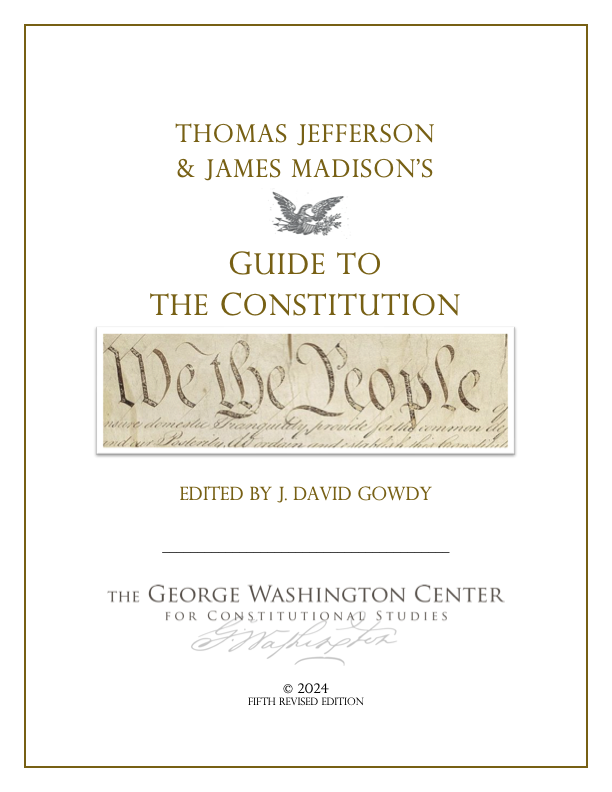
Follow the ideas behind the Constitution
John Locke
Second Treatise of Government: natural rights, consent, and the ends of civil society.
Algernon Sidney
Discourses Concerning Government: liberty, law, and resistance to arbitrary power.
The Declaration
The moral creed of equality, rights, consent, and the proper purpose of government.
The Federalist
Nos. 1, 10, 39, 51, 78, and 84 on republicanism, faction, powers, and rights.
Constitution & Bill of Rights
The structure, limits, and enumerated protections of the American system.
Farewell Address
Washington on union, law, public morality, education, finance, and foreign relations.