
Religious Liberty
Religious liberty protects the freedom to seek truth, worship, speak, assemble, and live by conscience—while preserving equal citizenship for people of every faith and none.
A freedom both personal and public
IAL studies the role of religion in the colonies and the War for Independence, the varied beliefs of the Founders, and the relationship between faith, public virtue, and republican self-government.
Careful history resists two errors: treating the Founding as wholly secular, or flattening its religious diversity into a single creed.
Open the free reader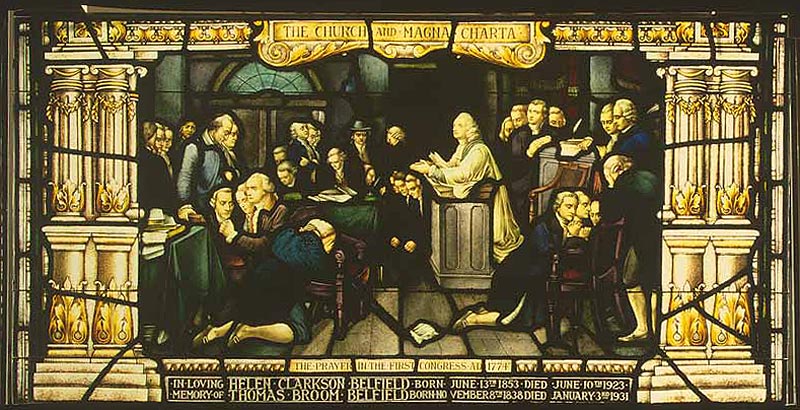
Liberty of conscience in a pluralistic republic
Religious liberty is not a narrow exception. It is a founding commitment that protects conviction, civic equality, and peaceful coexistence.
Free Exercise
People may worship, practice, teach, and organize according to conscience within the rule of law.
No Religious Test
Citizenship and public trust do not depend on adherence to a government-prescribed faith.
Equal Citizenship
Religious freedom belongs to majorities and minorities alike, including those who profess no faith.
“Freedom of conscience is secure only when we defend it for our neighbors as faithfully as we defend it for ourselves.”— Institute for American Liberty
Begin with the historical record
Use the Religious Liberty & the Founding Reader alongside primary documents, laws, sermons, and letters from the founding era.
Read the collectionBring the conversation home
IAL welcomes teachers, students, congregations, and civic groups seeking a principled, historically grounded discussion.
Contact the Institute