
Principles That Build Nations
Institutions endure when citizens understand the moral principles beneath them—and practice the habits those principles require.
A nation is more than its machinery
The American experiment joins rights, consent, law, structure, and character. These seven principles offer a clear path into that inheritance.
Human Equality
Every person possesses equal dignity and stands equal before the law.
Natural Rights
Life, liberty, and the pursuit of happiness precede civil government.
Consent
Legitimate government draws just powers from the governed.
Rule of Law
Rulers and citizens alike are accountable to known, stable laws.
Separated Powers
Power is divided and checked because human nature does not change.
Civic Virtue
Liberty asks for honesty, self-command, responsibility, and regard for the common good.
Education & Stewardship
Each generation must learn the principles of freedom, transmit them, and reform institutions by constitutional means.
From principle to constitutional practice
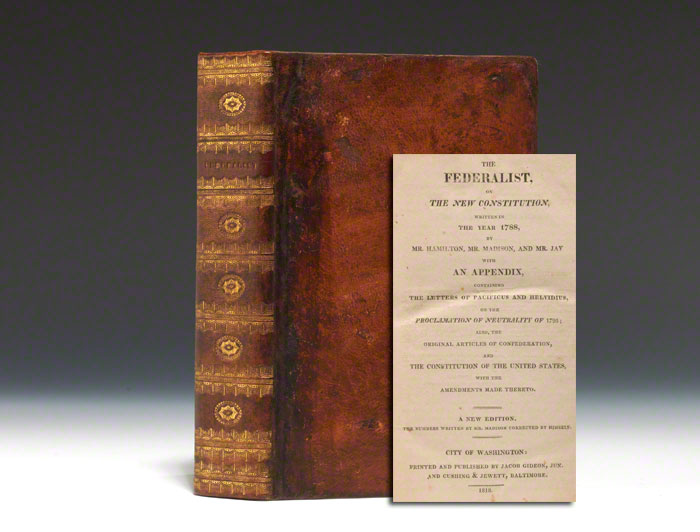
IAL’s free study materials connect these ideas to Locke, Sidney, the Declaration, the Federalist, Washington’s Farewell Address, and the Constitution itself.
Free government is sustained not by slogans, but by citizens capable of reasoning from first principles.Institute for American Liberty